What Is Panchakarma Treatment? A Practical Guide
What is Panchakarma treatment? Learn its usual stages, an illustrative day-by-day process, safety questions, evidence limits and how iMedi plans suitability.
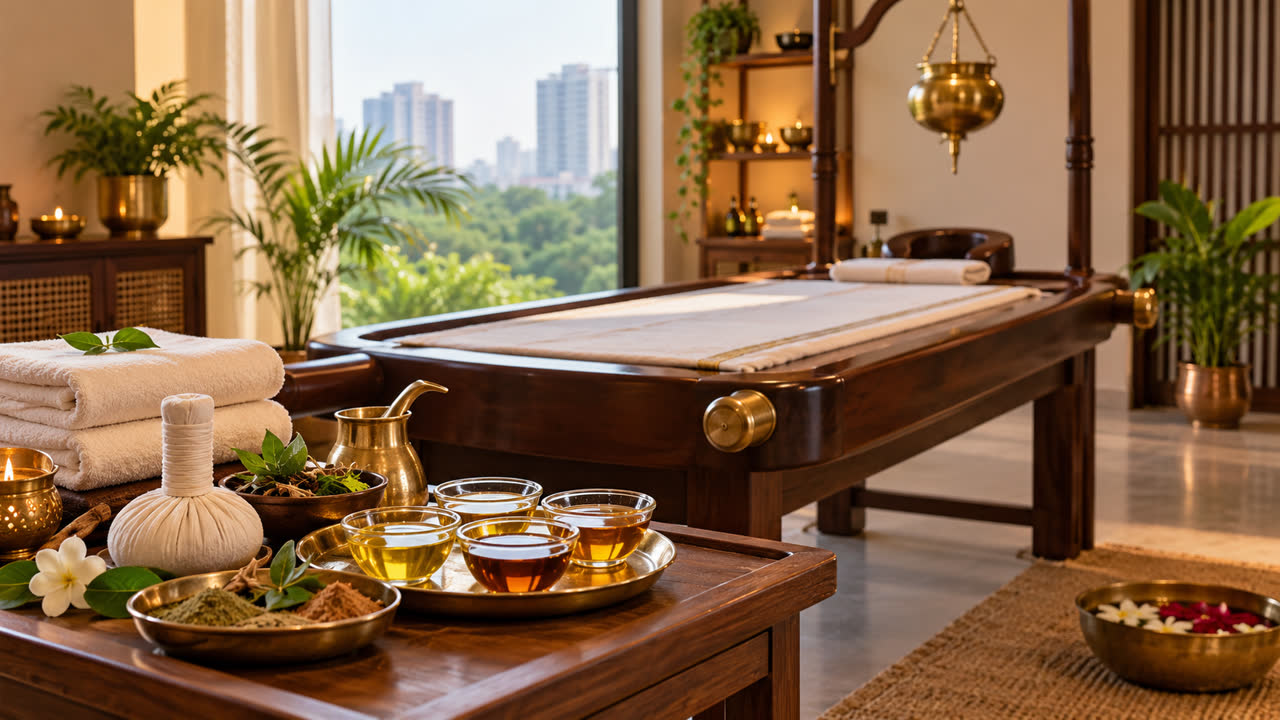
What is Panchakarma treatment, and what actually happens when someone books it? Panchakarma is a traditional Ayurvedic approach built around preparation, selected therapies and a period of recovery. People often hear the word described as a detox, but that shorthand can create unrealistic expectations. A treatment session cannot be assumed to remove measurable toxins, reverse ageing or cure a medical condition. A better way to approach Panchakarma is as a structured wellness experience whose methods and intensity should be chosen around the individual.
At iMedi, Panchakarma is coordinated as a private wellness pathway in Gurugram. The first step is a suitability conversation, followed by an appropriate plan and practical recovery guidance. This article explains what the traditional stages mean, how an illustrative day-by-day sequence might look, and when medical advice should take priority. The exact schedule depends on the practitioner, the therapies chosen, the person's health and how they respond.
What does Panchakarma mean?
The term is traditionally associated with five cleansing procedures in Ayurveda. In everyday practice, however, a commercial Panchakarma program may include a much broader set of experiences, such as warm oil application, massage, steam, rest and changes to daily routine. Not everyone receives the classical procedures, and a relaxing oil therapy should not be described as the same thing as a medically supervised cleansing intervention. Ask a provider exactly which therapies are being proposed and why.
Ayurveda views health through its own traditional framework. Modern clinical medicine assesses conditions with different tools, including symptoms, examination, laboratory tests and evidence from controlled studies. Both descriptions can coexist in a conversation, but traditional terms should not be mistaken for a laboratory diagnosis. If the goal is to understand blood sugar, blood pressure, liver health or another medical concern, the appropriate evaluation still matters.
Why a suitability review comes first
Before booking a series of sessions, discuss the reason you are interested in Panchakarma. Is it rest after a demanding period, help building a calmer routine, or curiosity about an Ayurvedic practice? The answer shapes the plan. A professional should also ask about medicines, pregnancy, recent illness, allergies, skin conditions, dizziness, dehydration, mobility limits and any heart, kidney or liver disease. Such questions are part of responsible planning, not an unnecessary obstacle.
Some traditional cleansing procedures can involve fasting, induced vomiting, purgation or enemas. These are different from a simple massage or steam session and can carry greater risk. They should never be started from a generic online schedule. A person who takes diabetes medicine, blood-pressure medicine or a diuretic may need special attention because changes in food and fluid intake can affect treatment. A person with persistent symptoms needs an appropriate medical assessment rather than a wellness-only explanation.
iMedi describes its Panchakarma therapy pathway as beginning with a review of goals, health context, comfort and schedule. That individual planning is more useful than promising every guest the same number of sessions or the same result.
A practical day-by-day example
The following sequence is an illustration of how a gentle, non-invasive wellness program could be organised. It is not a prescription, a universal five-day Panchakarma protocol or an instruction to perform classical cleansing procedures at home.
Day 1: Clarify goals and health context
The first conversation should establish what you hope to gain and what would make the experience comfortable. Share current medicines, recent tests if relevant, previous reactions to oils or heat, and any ongoing care. Ask who will deliver the sessions, what training they have, and what activities are included. A responsible plan names the proposed therapies and explains what would cause the team to pause or change them.
Day 2: Prepare the routine
Preparation may focus on predictable sleep, regular meals, adequate fluids and a realistic schedule. There is no need to suddenly stop prescribed medicine or undertake an extreme fast. If a practitioner recommends dietary changes, ask whether they are compatible with your condition and treatment. People with diabetes or a history of eating disorders should be especially cautious about restrictive advice. The aim of preparation is to make the planned sessions tolerable, not to prove discipline.
Day 3: Begin selected therapies
A plan may include oil application, massage, warmth or a quiet rest period. A first session can be modest so that comfort and skin response are observed. Tell the practitioner promptly about dizziness, breathlessness, chest discomfort, severe headache, burning or an allergic reaction. More intensity is not automatically better. The details of a session should be adapted to age, mobility, heat tolerance and medical history.
Day 4: Review the response
Rather than adding treatments by default, review sleep, appetite, energy, bowel symptoms and how you felt after the previous session. Some people may prefer another restorative session, while others may need rest or a change in approach. There is no sound basis for describing temporary fatigue or discomfort as proof that toxins are leaving the body. If symptoms are persistent or concerning, seek medical advice and do not simply continue the program.
Day 5 and beyond: Return to ordinary life
Recovery guidance may cover hydration, comfortable meals, sleep and gradual return to usual activity. The lasting value of a wellness experience often depends less on the number of sessions than on whether it supports sustainable habits. If the original goal involved a medical condition, arrange proper follow-up for that condition. Panchakarma is not a substitute for evidence-based treatment, monitoring or emergency care.
What might be included, and what should you ask?
Descriptions of Panchakarma vary widely. One program may centre on external oil therapies and guided rest; another may propose intensive procedures. Request a written explanation of each element, the expected duration, who supervises it and how your response will be monitored. Ask whether any oral preparations are proposed. Product ingredients, possible interactions and manufacturing quality matter. Do not assume that natural products are automatically harmless.
It is also sensible to ask about hygiene, privacy, temperature control and the plan if you feel unwell during a session. Comfortable communication matters. You should be able to decline a particular therapy, request a pause, or ask for a medical opinion without feeling that you have failed the process. A transparent provider should distinguish traditional explanations from claims supported by clinical trials.
What does the evidence say?
There is limited high-quality research showing that Panchakarma, as a complete package, improves longevity or treats a specific disease. The US National Center for Complementary and Integrative Health notes that evidence for many Ayurvedic approaches remains limited and that some Ayurvedic preparations can contain harmful metals. This does not mean that every massage, rest session or routine change lacks value. It means that wellbeing benefits should be described modestly and medical claims should be tested rather than assumed.
A calmer schedule, sleep, nutrition and movement can each matter for health, but these elements cannot be attributed exclusively to Panchakarma. If you want a broader, physician-led view of long-term health, iMedi's longevity program explains how medical context and practical habits fit together. Our article on muscle, strength and healthy ageing covers another evidence-based pillar that should not be displaced by a wellness program.
Who should get medical advice before considering it?
Seek professional advice first if you are pregnant, recovering from surgery, frail, prone to dehydration, taking several medicines or living with an unstable medical condition. Discuss any proposed fasting or cleansing procedures with the clinician who manages your diabetes, kidney disease, heart disease or blood pressure. If you develop acute chest pain, severe breathlessness, fainting or another urgent symptom, seek emergency care. A wellness session is not the place to evaluate an emergency.
If you are simply curious about relaxation and routine, begin with a clear conversation about the therapies on offer. If you want diagnosis or treatment of a condition, be specific about that goal so an appropriate medical pathway can be considered. You can contact iMedi to discuss suitability and practical arrangements without committing to a preset package.
Frequently asked questions
Is Panchakarma the same as a massage?
No. Massage or oil application can be one element of a program, but the traditional Panchakarma framework can include other preparation, procedures and recovery practices. Ask what your proposed plan actually contains.
How many days does Panchakarma take?
There is no universal number of days. Duration depends on the method, your health and the provider's assessment. A fixed online timetable should not replace individual planning.
Does Panchakarma remove toxins from the body?
Claims about removing specific toxins need measurable evidence. The liver, kidneys and other systems already perform essential elimination functions. Do not rely on an unmeasured detox claim to make medical decisions.
Can it replace treatment for diabetes or another disease?
No. Continue prescribed care and monitoring unless your treating clinician advises a change. Tell both your clinician and the wellness provider about any supplements or dietary changes.
What should I check before booking?
Ask about the exact therapies, practitioner qualifications, medical screening, hygiene, ingredients, expected sensations, reasons to stop and follow-up. A good explanation should make it easier to choose what is appropriate for you.
Sources and further reading
US National Center for Complementary and Integrative Health: Ayurvedic Medicine; iMedi Panchakarma therapy pathway.