Sleep Stages: What Your Watch Cannot Diagnose
Understand REM and deep sleep, the limits of wearable sleep scores, and when persistent symptoms need medical assessment.
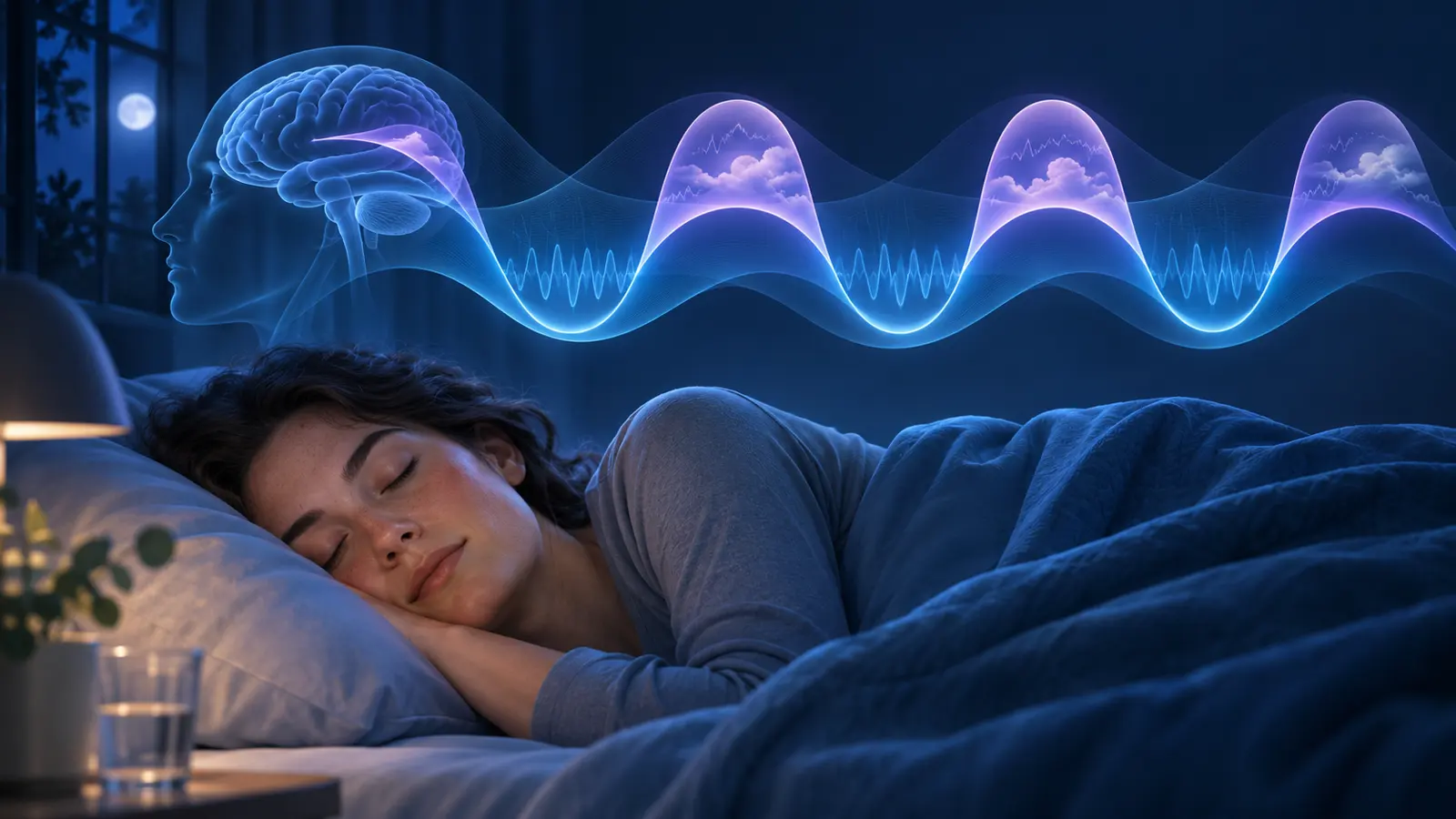
Many people check a morning sleep score before deciding whether they slept well. A watch may report light sleep, deep sleep and REM sleep to the minute. The display looks precise, but it estimates stages from movement and heart signals rather than measuring brain activity. A low deep-sleep percentage on one night is not a diagnosis. The more useful questions are whether you sleep enough, wake feeling reasonably restored, and have symptoms that need evaluation.
This guide explains sleep architecture, what changes across a night, and how to use wearable trends without becoming anxious about an imperfect score. It extends our sleep debt guide, which focuses on missed sleep over several days. iMedi supports physician-led health planning and is not a sleep clinic. A clinician can help decide when a sleep specialist assessment is appropriate.
What are the main sleep stages?
Sleep alternates between non-rapid eye movement, or NREM, sleep and rapid eye movement, or REM, sleep. NREM includes lighter stages and a deeper stage often called slow-wave sleep. During REM, the brain is active in a different pattern and most skeletal muscles are temporarily less active. Both types are normal. You do not need to maximize one at the expense of the other.
Stages are identified accurately in a sleep study using brain-wave recording along with eye movement and muscle activity. A consumer device does not collect the same signals. It can be useful for broad patterns, especially when used consistently, but exact minute-by-minute labels are uncertain. The CDC sleep overview emphasizes sufficient, good-quality sleep and daytime function rather than a target stage percentage.
Why does the pattern change overnight?
Sleep is not a flat eight-hour block. People cycle through stages multiple times, and the balance changes as the night progresses. Deep NREM sleep is often more prominent earlier; REM periods tend to become longer later. A person who cuts short the last part of the night may therefore alter the pattern, even when the total loss seems small. Yet normal variation between nights is expected.
Age, timing, illness, alcohol, medications, stress and sleep disorders can influence sleep. A travel night or a late celebration may look different from an ordinary night. Do not infer a chronic problem from one graph. Look for a repeated pattern together with how you feel and function during the day. Sleep regularity and a schedule that permits enough total sleep usually matter more than perfect stage proportions.
Can a watch measure deep sleep accurately?
Wearables infer stages from proxies such as heart rate, heart-rate variability and movement. They may classify quiet wakefulness as sleep or mislabel one stage as another. Fit, skin contact, illness and device algorithms also affect results. A firmware update can change your apparent stage distribution without any change in your body. Comparing percentages across different brands is particularly unreliable.
Use a watch to notice practical trends: bedtime, wake time, consistency and perhaps how often you appear to wake. Compare the device with your own recollection and daytime symptoms. If the score says “poor” but you feel well, it may be a measurement problem. If it says “excellent” but you are persistently exhausted, the score does not rule out a health issue. Our biological age tests guide discusses a similar principle: attractive numbers need clinical context.
What does good sleep quality feel like?
Good quality sleep is usually reasonably continuous and leaves you able to function during the day. Everyone wakes briefly at times, often without remembering it. A single awakening is not necessarily a disorder. Persistent difficulty falling asleep, frequent long awakenings, very early waking, loud snoring with gasping, or significant daytime sleepiness deserve attention. Safety matters if sleepiness affects driving or work.
Ask whether the problem is enough opportunity to sleep or an inability to sleep despite that opportunity. A person with a six-hour sleep window may need a schedule change. Someone spending nine hours in bed but awake for much of it may need a different assessment. A clinician may review medicines, mood, pain, breathing symptoms, shift work and caffeine timing before suggesting a test.
Why chasing a stage score can backfire
Trying to perfect a sleep graph can make bedtime stressful. People may spend extra time in bed, buy supplements, or stop exercise because one score looks low. Anxiety about sleep itself can worsen insomnia. If a device repeatedly makes you worry, consider hiding stage details and tracking only bedtime and wake time for a while.
No single stage target is established as a universal personal goal. Avoid products that claim to add a guaranteed amount of REM or deep sleep. The more reliable habits are a consistent wake time, a dark and comfortable bedroom, sensible caffeine timing and time for adequate sleep. These can support sleep without requiring constant measurement. If symptoms persist, seek an assessment rather than more tracking.
Habits that support sleep
Set a regular wake time, including on most weekends. Get daylight during the day and make the last part of the evening calmer. Keep the room reasonably dark and comfortable. If late caffeine leaves you alert at bedtime, move it earlier. Alcohol can make people sleepy initially yet disrupt sleep later. Heavy meals and intense work close to bed may affect some people, so adjust based on your response.
Exercise supports health and often sleep, but timing preferences vary. You need not follow a rigid ban on evening movement if it works for you. If you nap, consider whether a long or late nap makes nighttime sleep harder. A sustainable routine matters more than a long checklist. Our Zone 2 exercise guide can help you plan moderate daytime activity.
When should you seek medical advice?
Discuss persistent insomnia, loud snoring with pauses or gasping, morning headaches with sleepiness, restless legs symptoms, unusual behaviors during sleep, or sleepiness that puts you or others at risk. These symptoms can point to conditions that a wearable cannot diagnose. A clinician may consider a sleep study for suspected sleep apnea or another disorder, depending on your history.
Do not stop a prescribed medicine because a watch chart changed. Bring a short record of sleep and wake times, symptoms and any relevant medication changes to the appointment. The goal is to identify a treatable problem, not to prove a particular stage percentage. If you have shift work, the schedule and light exposure need to be part of the discussion.
A practical two-week review
For two weeks, record when you go to bed, roughly when you fall asleep, wake time, naps, caffeine and how alert you feel during the day. You can include wearable trends, but keep them secondary. Look for a pattern rather than judging each night. If you sleep better on days with a consistent wake time, that is actionable. If symptoms remain severe despite adequate opportunity, take the record to a clinician.
This review also prevents a common mistake: treating a low score as the problem while ignoring a too-short sleep window. The CDC sleep guidance describes recommended sleep duration for adults and signs of poor quality. Use it as a starting point, with individual advice when a medical condition is present.
Frequently asked questions
Is more deep sleep always better?
No universal personal target has been established. Sleep stages vary normally across nights and with age. A watch estimate is not accurate enough to optimize a specific percentage by itself.
Does a low REM score mean my memory is damaged?
No. A single consumer-device estimate cannot diagnose a cognitive problem. If you have persistent memory or sleep concerns, discuss them with a clinician.
Can I have sleep apnea with a good watch score?
Yes. A consumer sleep score does not rule out sleep apnea. Loud snoring, witnessed breathing pauses and daytime sleepiness warrant assessment.
Should I get a sleep study for every poor night?
Usually not. A clinician considers symptoms, risk factors and duration before deciding whether testing is useful. One poor night is common.
Does alcohol improve sleep because it makes me sleepy?
It may help you feel drowsy at first but can disrupt the later night. It should not be used as a sleep treatment.
What should I track first?
Track sleep opportunity, wake time, daytime alertness and symptoms. Those observations are often more useful than chasing a stage percentage.