Fatty Liver Symptoms, Causes and What an Ultrasound Result Means
Understand fatty liver symptoms, common metabolic causes, ultrasound findings, fibrosis assessment, and practical next steps after an abnormal report.
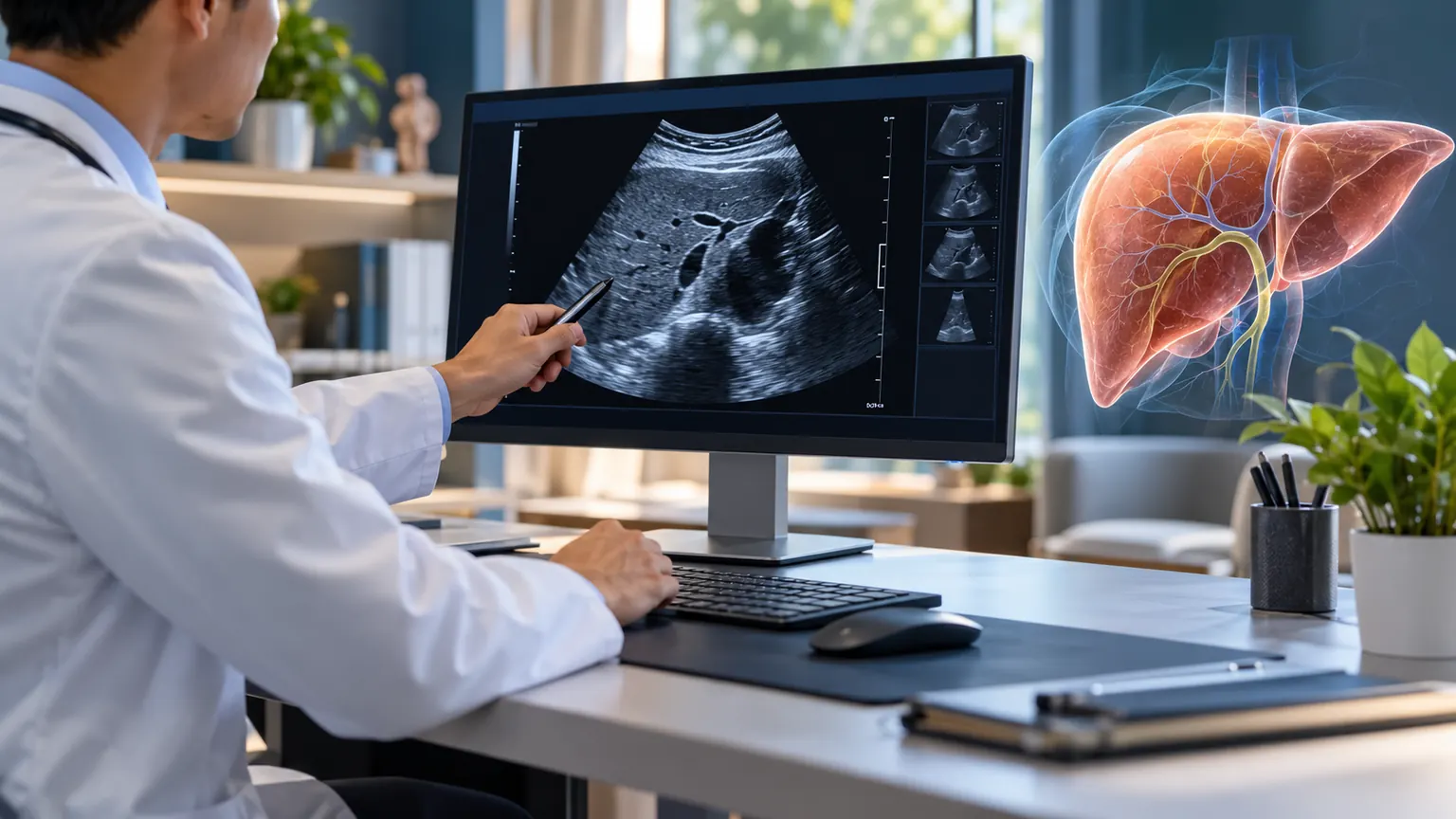
Fatty liver is often discovered on an ultrasound ordered for an unrelated reason. A report may say “increased echogenicity,” “fatty infiltration,” or “grade 1 fatty liver” even when the person feels well and routine liver enzymes are normal. That can be confusing. Does it explain fatigue? Is it permanent? Does it mean the liver is damaged?
Fatty liver means excess fat has accumulated inside liver cells. The current medical term for fatty liver linked with metabolic risk is metabolic dysfunction-associated steatotic liver disease, or MASLD. It commonly travels with abdominal fat, insulin resistance, high triglycerides, high blood pressure, prediabetes, type 2 diabetes, sleep apnoea, or reduced physical activity. The ultrasound finding is a signal to assess the whole metabolic picture, not a diagnosis to interpret in isolation.
What are the symptoms of fatty liver?
Many people with fatty liver have no clear symptoms. The liver can accumulate fat for years without producing a distinctive warning sign. When symptoms occur, they may include tiredness, reduced energy, vague discomfort in the right upper abdomen, or a general sense of not feeling well. These complaints are common to many conditions, so symptoms alone cannot confirm fatty liver.
More advanced liver disease may cause swelling of the abdomen or legs, easy bruising, yellowing of the eyes or skin, dark urine, severe itching, vomiting blood, black stools, confusion, or unexplained muscle loss. These are not typical early fatty liver symptoms and require prompt medical assessment.
A normal feeling does not guarantee a normal liver, and fatigue does not automatically mean fatty liver is the cause. The useful question is whether imaging, blood tests, medical history, and metabolic risk factors point in the same direction.
Why does fat build up in the liver?
The liver helps process nutrients and regulates how the body stores and releases energy. With insulin resistance, fat cells release more fatty acids into the circulation and the liver may make more fat from excess energy, especially from refined carbohydrate and sugar. When delivery and production exceed the liver's ability to use or export fat, triglycerides accumulate inside liver cells.
Common factors include excess visceral fat, gradual weight gain, type 2 diabetes, prediabetes, high triglycerides, low physical activity, highly processed diets, inadequate sleep, obstructive sleep apnoea, and some medicines. Genetics and ethnicity also influence susceptibility. Some South Asian adults develop metabolic complications at a BMI that may not appear very high.
Alcohol intake must be discussed honestly because alcohol-related liver disease can also produce steatosis. Viral hepatitis, thyroid problems, certain medicines, rapid weight loss, malnutrition, and less common liver disorders may need consideration. A physician should not assume that every bright liver on ultrasound has the same cause.
What does a fatty liver ultrasound result mean?
Ultrasound uses sound waves to create images of the liver. Fat can make the liver look brighter than nearby structures. A radiologist may describe mild, moderate, or severe steatosis, sometimes reported as grade 1, grade 2, or grade 3. This grading is an imaging impression, not a direct measurement of inflammation or scarring.
The NIDDK guidance on fatty liver diagnosis explains that routine imaging can show liver fat but cannot reliably determine whether there is steatohepatitis or fibrosis. An ultrasound can therefore answer one question, whether fat is likely present, while leaving the most important risk question unresolved: has the liver developed significant scarring?
Ultrasound sensitivity may also be limited when fat accumulation is mild, and image quality can vary with body size and technical factors. A normal ultrasound does not rule out every degree of steatosis. Likewise, a severe-sounding grade does not by itself define long-term prognosis.
Why liver enzymes can be normal
ALT and AST are useful blood tests, but normal results do not exclude fatty liver or clinically important fibrosis. Enzyme levels can fluctuate and may not rise in proportion to scarring. The reverse is also true: raised enzymes can have causes other than fatty liver.
A sensible review combines liver enzymes with platelet count, glucose or HbA1c, lipid profile, blood pressure, waist measurement, medicines, alcohol exposure, and other relevant tests. The broader iMedi guide to metabolic biomarkers beyond HbA1c explains why a single normal number can miss an early risk pattern.
How physicians assess fibrosis risk
Fibrosis means scar tissue. It is a stronger predictor of liver-related outcomes than the amount of fat alone. Physicians may begin with a non-invasive score such as FIB-4, calculated from age, AST, ALT, and platelet count. A low result may help rule out advanced fibrosis in an appropriate patient, while an indeterminate or high result may lead to additional assessment.
Transient elastography or shear-wave elastography measures liver stiffness. Greater stiffness can suggest fibrosis, although inflammation, congestion, technique, and other factors may affect readings. Selected patients may need specialist review, more advanced imaging, or liver biopsy. A biopsy is not required for everyone.
Risk tools have age limits and clinical limitations. They should be interpreted by a clinician rather than entered into an online calculator and treated as a diagnosis.
Can fatty liver improve?
Liver fat can often decrease when the drivers of metabolic dysfunction improve. The plan should be specific enough to follow but realistic enough to sustain. Core steps may include:
- reducing sugary drinks and frequent refined-carbohydrate snacks
- building meals around vegetables, protein, fibre-rich foods, and appropriate portions
- combining aerobic activity with resistance training
- reducing prolonged sitting and increasing daily movement
- improving sleep regularity and assessing possible sleep apnoea
- addressing diabetes, blood pressure, triglycerides, and other risk factors
- reviewing alcohol and medicines with the treating clinician
Weight change can help when excess adiposity is present, but the goal is metabolic improvement rather than crash dieting. Rapid, poorly planned weight loss may reduce muscle and be difficult to maintain. Muscle-preserving nutrition and progressive exercise are especially important for long-term health.
Sleep also matters because disrupted sleep can worsen appetite regulation and insulin resistance. Read the iMedi article on sleep and insulin resistance for practical context.
When should you seek medical review?
Arrange a review if an ultrasound reports fatty liver, particularly when diabetes, central weight gain, abnormal lipids, high blood pressure, or raised liver enzymes are present. Seek faster assessment for jaundice, abdominal swelling, vomiting blood, black stools, confusion, severe persistent pain, or rapid unexplained decline.
A useful appointment includes the actual ultrasound report, previous liver tests, a medicine and supplement list, alcohol history, and recent metabolic results. The aim is to establish cause, estimate fibrosis risk, and agree on measurable follow-up rather than simply repeat the scan.
Frequently asked questions
Does grade 1 fatty liver need treatment?
Mild steatosis still deserves a review of metabolic risk and possible causes. Management often focuses on sustainable nutrition, activity, sleep, and control of associated conditions. The plan depends on fibrosis risk and the person's wider health.
Can fatty liver cause pain?
Some people report vague right upper abdominal discomfort, but many have no pain. Severe or persistent pain needs assessment because gallbladder, stomach, pancreas, muscle, and other conditions may be responsible.
Can fatty liver occur in a person with normal BMI?
Yes. Visceral fat, genetics, insulin resistance, diet, muscle mass, and ethnicity influence risk. BMI alone cannot show liver fat or metabolic health.
Is ultrasound enough to check liver scarring?
Routine ultrasound can suggest steatosis but cannot reliably stage fibrosis. Blood-based scores and elastography may be discussed when appropriate.
How soon should an ultrasound be repeated?
There is no universal interval. Follow-up depends on symptoms, liver enzymes, fibrosis assessment, metabolic risk, and whether the result would change management.
Can supplements reverse fatty liver?
No supplement should be assumed to reverse fatty liver. Some products can harm the liver or interact with medicines. Discuss every supplement with a physician.
Use the report as a starting point
A fatty liver ultrasound result is not a complete verdict on liver health. It is a prompt to connect liver fat with glucose control, lipids, blood pressure, body composition, sleep, medicines, and alcohol exposure. A structured review can identify people who need fibrosis assessment while helping others focus on practical metabolic changes. To discuss an individual report and next steps, use the iMedi contact page.
This article is general education and does not replace diagnosis or treatment by a qualified medical professional.